Solar Installation in Quetta: A 2026 Guide for Balochistan Homes
Planning a solar installation in Quetta is one of the smartest energy decisions a Balochistan household can make in 2026. The city enjoys some of the highest sunshine hours in Pakistan, yet many homes still rely on an unstable grid and expensive diesel backup. A well-designed solar system turns that strong mountain sunlight into clean, predictable power while protecting your budget from rising tariffs.
This guide walks you through everything a Quetta homeowner needs: sizing, climate challenges, net metering, costs, and how to pick an installer who understands the local environment. Whether you want full energy independence or simply want to cut your monthly bill, the fundamentals below apply.
Why Solar Installation in Quetta Makes Sense
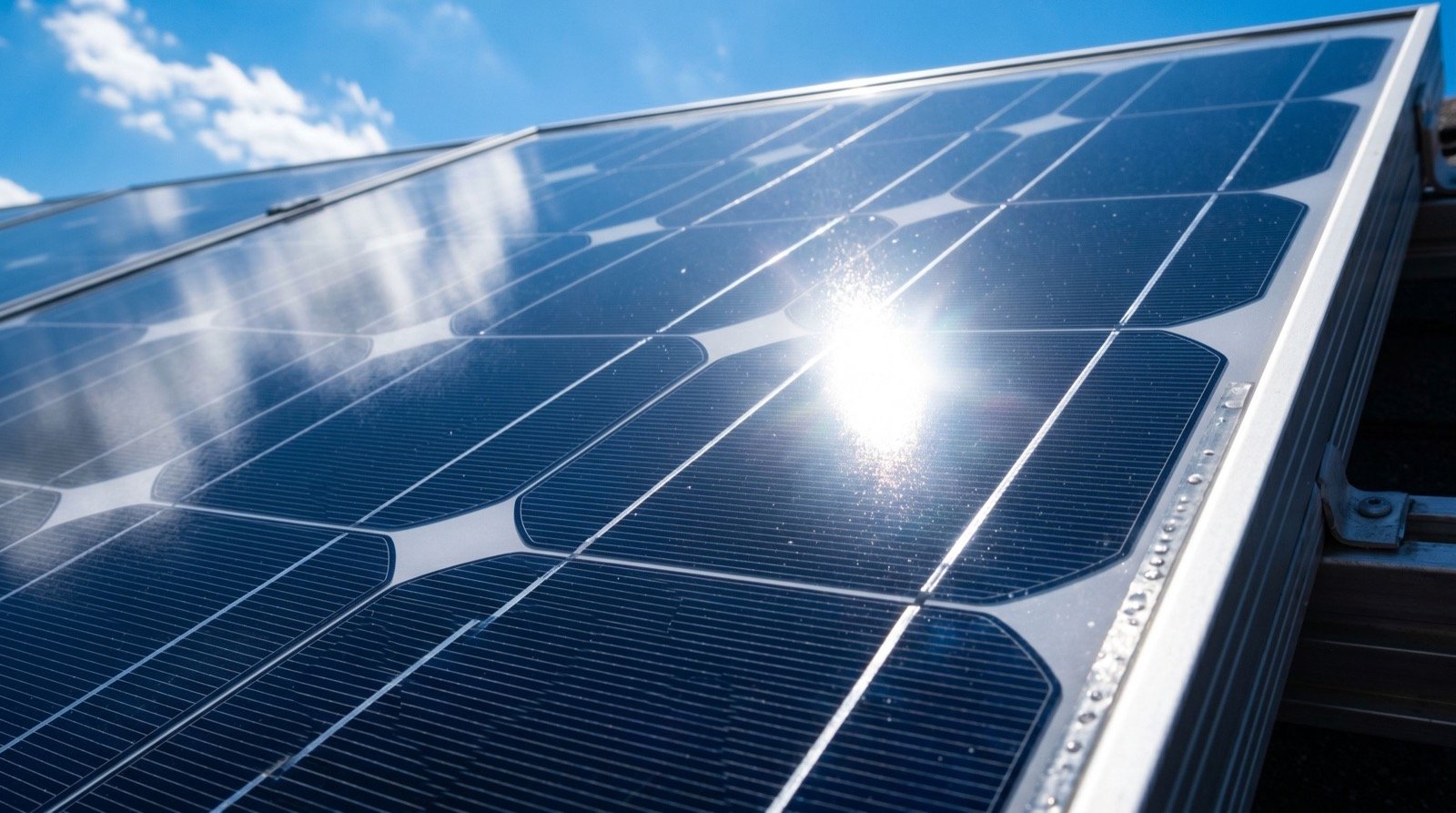
Quetta sits on a high plateau at roughly 1,680 metres above sea level. The thin, clear air and long dry season mean panels receive intense, direct irradiance for most of the year. According to the Alternative Energy Development Board, large parts of Balochistan receive more than 5.3 kWh per square metre each day, placing the region among the best solar resources in South Asia.
That abundant resource pairs well with Quetta’s energy problems. Load shedding remains common, and winter heating demand pushes bills higher. Solar lets you generate during the day and, with batteries, store power for the cold evenings.
The cold-climate advantage
Many people assume solar needs heat. In reality, panels produce more efficiently in cool conditions. Quetta’s chilly winters actually help photovoltaic cells perform near their rated output, as long as snow is cleared from the surface. This makes the city a surprisingly strong candidate for high year-round yields.
Sizing Your System Correctly
The right system size depends on your consumption, roof space, and backup goals. Start by reviewing twelve months of electricity bills to find your average daily units (kWh). A typical Quetta home uses between 15 and 40 units per day.
Use these simple steps to estimate your needs:
- Add your yearly kWh usage and divide by 365 for a daily average.
- Divide that daily figure by Quetta’s ~5 peak sun hours to get rough panel capacity in kW.
- Add a 20% buffer for cloudy days, dust, and winter angles.
- Decide how many hours of battery backup you want for evenings.
The table below shows common residential configurations and what they typically support.
| System Size | Approx. Daily Output | Best For |
|---|---|---|
| 3 kW | 12–15 units | Small home, lights, fans, TV |
| 5 kW | 20–26 units | Mid-size home with AC and fridge |
| 10 kW | 40–52 units | Large home or small shop |
| 15 kW | 60–78 units | Heavy load with full backup |
Grid-Tied, Hybrid, or Off-Grid?
Choosing the system type is the most important decision you will make. Each option fits a different lifestyle and budget.
- Grid-tied: Lowest cost, feeds surplus back to the grid through net metering, but shuts off during outages.
- Hybrid: Combines panels, batteries, and grid connection for backup plus bill savings. Ideal for Quetta’s frequent outages.
- Off-grid: Fully independent with large battery banks, best for remote valleys without reliable supply.
For most Quetta homes in 2026, a hybrid system offers the best balance of savings and reliability.
Understanding net metering
Net metering lets you export daytime surplus and draw it back later, effectively using the grid as a free battery. The policy is regulated nationally by the National Electric Power Regulatory Authority. You can review the official framework on the NEPRA website before applying through QESCO. A professional installer handles the paperwork and the bidirectional meter approval for you.
What Does Solar Installation in Quetta Cost?
Prices vary with panel brand, inverter quality, and battery size. As a rough 2026 guide, a quality 5 kW hybrid system in Quetta ranges between PKR 900,000 and PKR 1,400,000 installed. Grid-tied systems without batteries cost noticeably less.
Remember that the cheapest quote is rarely the best value. Consider these factors:
- Panel efficiency and manufacturer warranty (aim for 25-year performance cover).
- Inverter brand and local service support.
- Mounting structure strength for Quetta’s strong winds.
- Quality of DC cabling, earthing, and surge protection.
Most homeowners recover their investment within four to six years, after which the electricity is essentially free for the remaining 20-plus-year panel life.
Choosing the Right Installer
Workmanship matters as much as hardware. Look for a company with verifiable Quetta projects, trained technicians, and clear after-sales support. The same standards apply if you ever expand to a second property; a reputable team such as these solar company in Sialkot specialists can advise on multi-city setups and consistent equipment choices.
For maintenance and emergency support, always keep the contact details of dependable specialists who can respond quickly if an inverter fault or wiring issue appears.
Questions to ask before signing
- Can you show me completed installations in Quetta?
- What brands of panels and inverters do you use, and why?
- How do you handle net-metering approval with QESCO?
- What is covered under your workmanship warranty?
Maintenance in a Dusty, Cold Climate
Quetta’s dust storms and occasional snow mean maintenance is simple but necessary. Clean panels gently every few weeks during dry months, and clear snow carefully in winter to restore output. Check mounting bolts after high winds, and monitor your inverter display for daily generation figures. A small annual service by professionals keeps the system at peak performance.
Real-World Tips From Quetta Installations
Experience on local rooftops teaches lessons that brochures never mention. Over many Balochistan projects, a few patterns stand out that can save you money and frustration.
First, orientation matters more than brand hype. A south-facing array tilted close to Quetta’s latitude captures the most annual energy. If your roof faces another direction, a ground mount or adjusted racking often recovers the lost output.
Second, plan cable runs carefully. Long DC runs from roof to inverter lose energy and add cost, so site the inverter sensibly in a cool, shaded, ventilated spot away from direct afternoon sun.
Third, do not ignore earthing. Quetta’s dry air raises static and lightning risk on exposed ridgelines, so proper earthing and surge protection are non-negotiable for a safe, durable system.
Finally, keep records. Note your daily generation for the first month so you have a baseline. If output later drops without a weather reason, you will spot the problem early and call for service before it costs you units.
Frequently Asked Questions
How many solar panels do I need for a Quetta home?
A typical 5 kW system uses about 9 to 11 modern 550-watt panels. The exact number depends on your daily units and available roof space, which a site survey will confirm.
Does snow damage solar panels in Quetta?
No. Quality panels are tested for snow loads. Snow may temporarily block production, but it slides off tilted panels and can be cleared safely to restore full output.
Is net metering available in Quetta?
Yes. Homeowners can apply through QESCO under the national NEPRA framework. A licensed installer manages the technical documentation and meter installation.
How long does installation take?
Most residential systems are installed within two to four days. Net-metering approval can add a few weeks depending on the distribution company’s processing time.
Conclusion
A professional solar installation in Quetta delivers clean power, lower bills, and protection from outages in one of Pakistan’s sunniest regions. Size your system around real consumption, choose a hybrid setup for reliable evening backup, and partner with an experienced local team. Start with a free site survey in 2026 and take the first step toward energy independence for your Balochistan home.